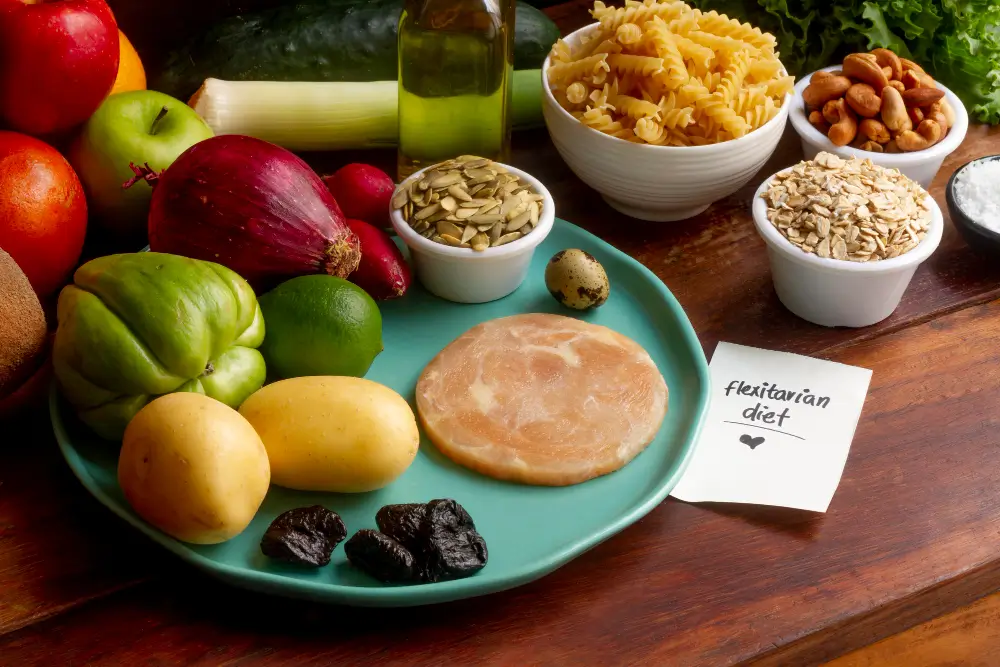
As women move beyond the age of 35, their nutritional needs and lifestyle priorities may begin to change. Hormonal fluctuations, changing activity levels and gradual changes in muscle and bone health make balanced nutrition increasingly important.
Developing healthy eating habits can help support overall wellbeing through different stages of life.
1. Prioritise Protein
Protein supports muscle maintenance and overall body function.
Include:
- Eggs
- Fish and lean meats
- Paneer and yoghurt
- Lentils and beans
- Nuts and seeds
2. Focus on Calcium-Rich Foods
Calcium plays an important role in maintaining healthy bones and teeth.
Good sources include:
- Milk and curd
- Paneer
- Ragi
- Sesame seeds
- Calcium-fortified foods
3. Include Iron-Rich Foods
Iron supports healthy red blood cell production.
Include:
- Green leafy vegetables
- Lentils and beans
- Meat and fish
- Pumpkin seeds
Pair plant-based iron sources with vitamin C-rich foods to improve iron absorption.
4. Don’t Ignore Vitamin D
Vitamin D supports calcium absorption and bone health. Sunlight exposure, food sources and supplements when recommended by a healthcare professional may help meet individual needs.
5. Add Fibre to Your Diet
Vegetables, fruits, whole grains and legumes support digestive health and help maintain a balanced eating pattern.
6. Include Healthy Fats
Nuts, seeds, olive oil and fatty fish provide fats that form part of a balanced diet.
7. Maintain an Active Lifestyle
Combine regular physical activity, strength-building exercises, adequate sleep and balanced nutrition to support long-term wellbeing.
Conclusion
Nutrition after 35 should focus on nourishment, balance and individual needs rather than restrictive diets. Building sustainable habits can help women feel healthier and better supported through different life stages.